One Long Outdoor Table or Two Smaller Ones? Choosing a Dining Setup
Compare one long outdoor table with two smaller tables to choose a dining setup that suits your meals, conversation, and changing group sizes.
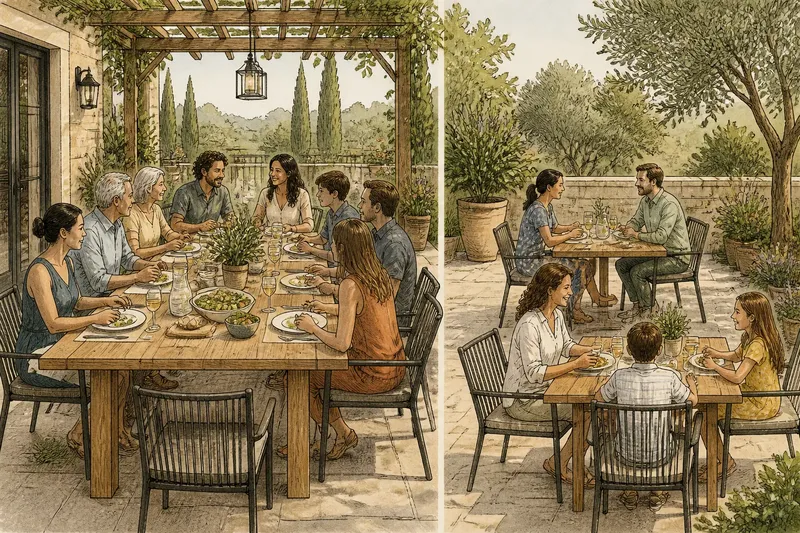
The common mistake with an outdoor dining table is choosing for the largest gathering you can imagine. A table that dominates the patio every day can make ordinary meals feel awkward, while several small tables may split a group that wants to eat together. The better choice depends on how people actually share meals and conversation in your space.
When comparing one long outdoor table with two smaller tables, focus on the shape of a typical gathering, not just how many seats each option appears to offer. Table length, width, leg placement, serving dishes, and the way guests talk across a setting all affect how useful the arrangement feels.
Start with the meal
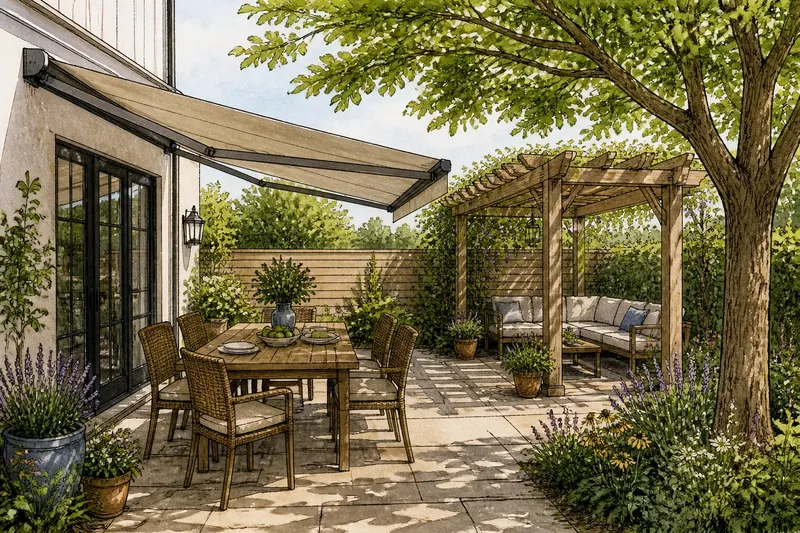
A long table brings diners into one shared setting. It suits meals where everyone eats at roughly the same time, passes dishes, and wants to join the same conversation. It can also create a clear center for a patio dining area, especially when the table sits beneath a pergola or beside a house wall.
That shared setting has limits. People at opposite ends may struggle to hear one another, particularly outdoors, where wind, nearby traffic, or a running fountain can blur voices. A long tabletop also needs room for plates and serving bowls without crowding elbows. If most meals are informal and dishes stay on a nearby counter, the full length may go unused.
Two smaller tables create separate conversation circles. They can work well for a household whose members eat at different times, or for gatherings where adults and children prefer different activities. The arrangement can feel more relaxed than seating everyone in one row, but it asks the host to decide where food and conversation should happen.
Think about the meal’s rhythm. If guests arrive together and sit down together, a single table often supports that ritual. If people drift outside with snacks, move between conversation and play, or eat in smaller groups, separate tables may fit better.
Compare conversation patterns
Table shape influences who can comfortably talk. At a long rectangle, people beside one another can speak easily, while a conversation across the full length takes more effort. A round or square table encourages a closer group exchange, but each smaller table has fewer seats and a more limited circle.
Two tables need not feel like two isolated parties. Set them close enough that people can greet each other, but not so close that chairs and serving traffic collide. Angling the tables slightly can help guests see both groups without making the arrangement feel like a formal banquet.
A long table can also support mixed conversation if its width and seating allow people to turn toward one another. Bench seating along one side may conserve visual space, but it can make it harder for diners to shift places or leave without disturbing others. Individual chairs offer more flexibility, though they occupy more room around the table.
Consider whether your guests tend to stay seated or circulate. A single table gives the group a natural anchor. Two tables can let people move between clusters, but only if there is a clear place to set down a drink or plate at each one.
Match table size to use
Do not judge capacity by the number of chairs alone. A chair may fit beside the tabletop while leaving too little room for a person to sit comfortably or pull away. Check the manufacturer’s seating guidance, then consider the width of your chairs and whether the table has legs, a pedestal, or a central support that affects where knees can go.
Table width matters as much as length. A narrow surface may suit plates and drinks but leave little space for shared dishes. A deeper top can hold a family-style meal, yet it may make conversation across the table less direct. For two smaller tables, compare their usable surfaces together, but remember that a single uninterrupted tabletop is not the same as two separate serving areas.
Materials influence how the setup works day to day. Teak and other outdoor-rated woods have a solid, warm presence, while aluminum tables are generally easier to reposition. Resin or compact laminate tops may be convenient for casual meals. Match the material to the care you are willing to provide, and check product instructions for cleaning and weather protection.
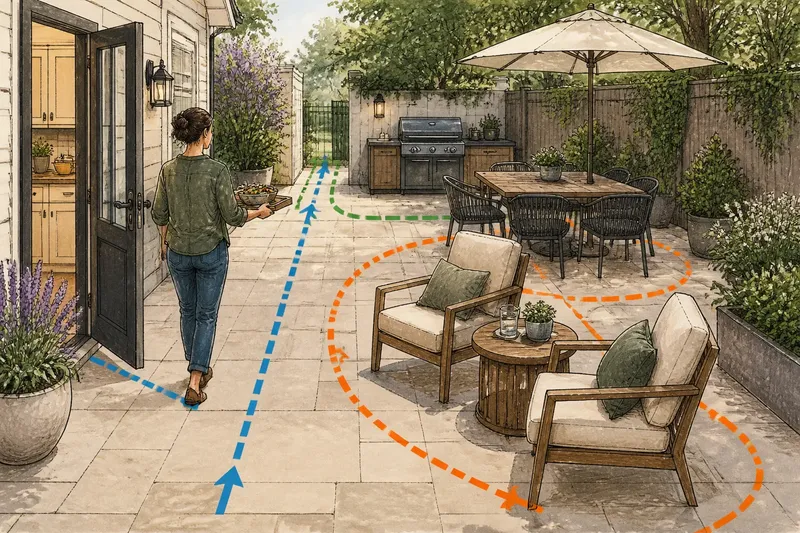
Also consider where food will come from. If dishes travel from a kitchen door, a long table may make serving simpler when one end is closest to the house. With separate tables, you might place one near the serving point and leave the second for drinks or dessert. That division can be useful, provided guests do not have to cross through the main seating area carrying hot food.
Think about changing groups
A single long table is usually less adaptable once it is in place. It may be possible to add or remove chairs, but the table itself remains one substantial piece. This is a good fit if the dining spot has a stable purpose and the household often gathers around one surface.
Two smaller tables offer more ways to arrange a space. They can sit side by side for a shared meal, stand apart for separate groups, or be moved near lounge seating when the patio is used for snacks rather than dinner. Their flexibility matters only if they are light enough to move and the surface around them allows more than one arrangement.
Imagine you usually host a small family dinner, but sometimes invite neighbors for a casual evening. With two compact tables, you could place them together for the dinner and separate them for the larger gathering, creating two conversation groups. The expected result is a setup that can serve both occasions without reserving the whole patio for a permanently oversized table.
That flexibility can bring tradeoffs. Two tables may have different heights or finishes if bought separately, and moving them can create extra work. If you want them to join neatly, look for compatible edge shapes and heights, and check whether their legs leave enough room for chairs in the combined arrangement.
Which setup fits your meals?
Is one long table better for a large group?
It can be, when everyone is eating together and the tabletop provides enough room for diners and serving dishes. For a group that prefers several side conversations, the same length may make the ends feel disconnected.
Can two small tables seat the same number?
They may offer comparable seating, but the total chair count does not reveal how comfortably people can sit or reach food. Compare each table’s seating guidance and test the intended chair arrangement before deciding.
Are separate tables harder to serve?
They can be if food must travel between distant seating areas or diners expect dishes to pass around one table. Placing one table near the serving point and planning a separate drinks surface can make the arrangement easier to use.
Can a long table work for everyday meals?
Yes, if it does not crowd the patio and the household regularly uses the full surface. If most meals involve only a few people, a shorter table may feel more inviting and leave more room for other uses.
Make the decision visible
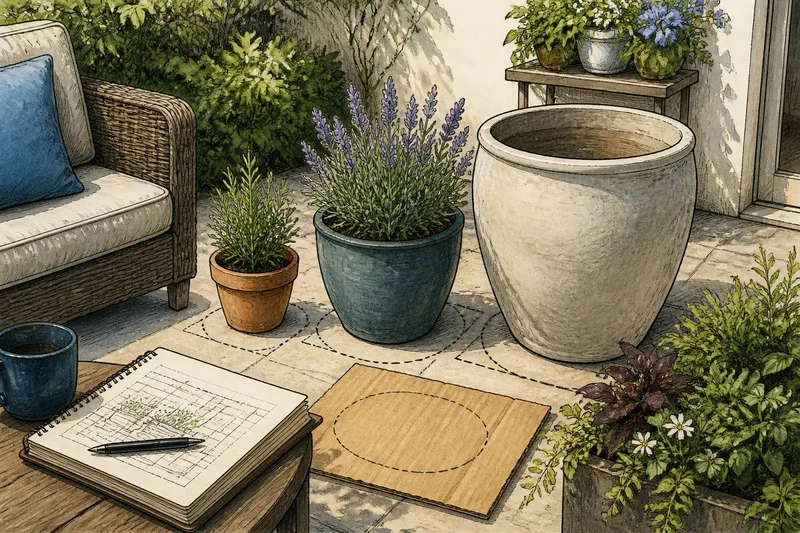
Before buying, mark the proposed table footprints on the patio with painter’s tape or flattened cardboard. Set out chairs at the positions you expect to use, then sit down and mimic a meal: reach for a shared bowl, leave a place for drinks, and imagine someone getting up. This is not a substitute for checking product dimensions, but it reveals whether the arrangement feels cramped or oddly spread out.
For two tables, mark both the joined and separate positions. Notice whether the separated layout still leaves each group a convenient place for food, and whether the joined layout creates a sensible shared surface. For one long table, mark its full length and consider how guests at opposite ends would speak during a quiet meal.
Use the result to choose the configuration that serves the more common occasion without making the less common one impossible. If the patio regularly hosts one shared dinner, choose a long table that fits that routine. If gatherings change shape and people naturally form smaller groups, two smaller tables may provide a more comfortable dining setup.
The right choice is not simply the one with more seats. A useful outdoor dining setup lets people reach food, hear one another, and settle in without making the patio feel committed to a single kind of gathering. Keep that standard in mind when comparing one long outdoor table with two smaller ones, and choose the arrangement that makes your ordinary meal feel natural.